Heat Rejection That Actually Shows Up
Automotive Window Tint in Niagara Falls, ON
Automotive Window Tint for a Cooler Cabin
Automotive window tint installation at Get Detailed Niagara uses window tint chosen for its infrared heat rejection and its resistance to fading over time. We carry two lines, Carbon X and Ceramic IR, so you can choose based on how much heat rejection and privacy you actually want. Our tint simulator lets you preview different shade percentages before you commit, so you know exactly how your vehicle will look before the film ever goes on the glass. Summer sun through untreated glass can turn a parked cabin into an oven within minutes, and a properly installed tint line makes a real, measurable difference the first time you climb back in.
Dial In Your Perfect Shade
Choose Tint:
Our Window Tinting Packages
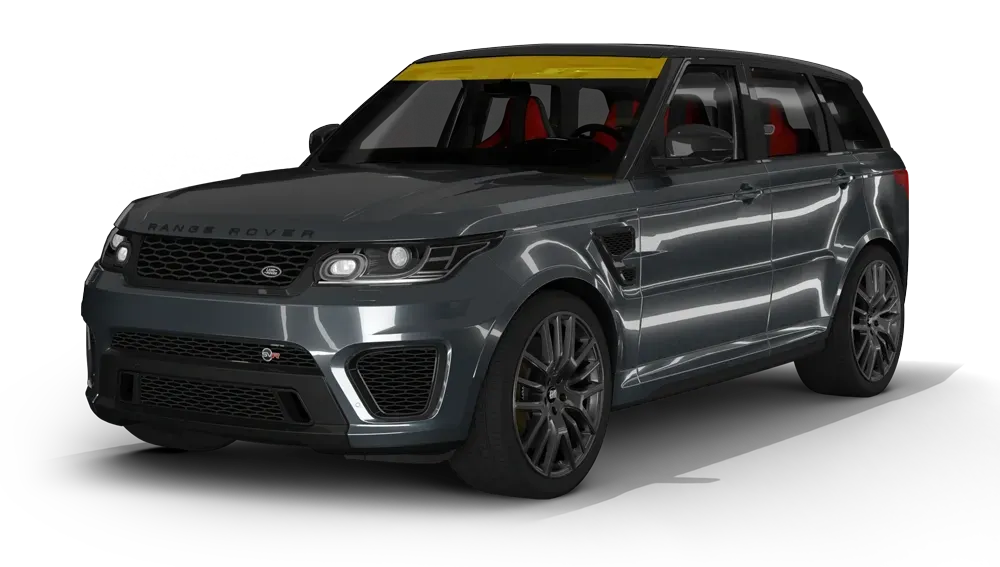
Windshield Strip
Available Film Types:
Carbon X (74% IR Rejection)
Ceramic IR (96% IR Rejection)
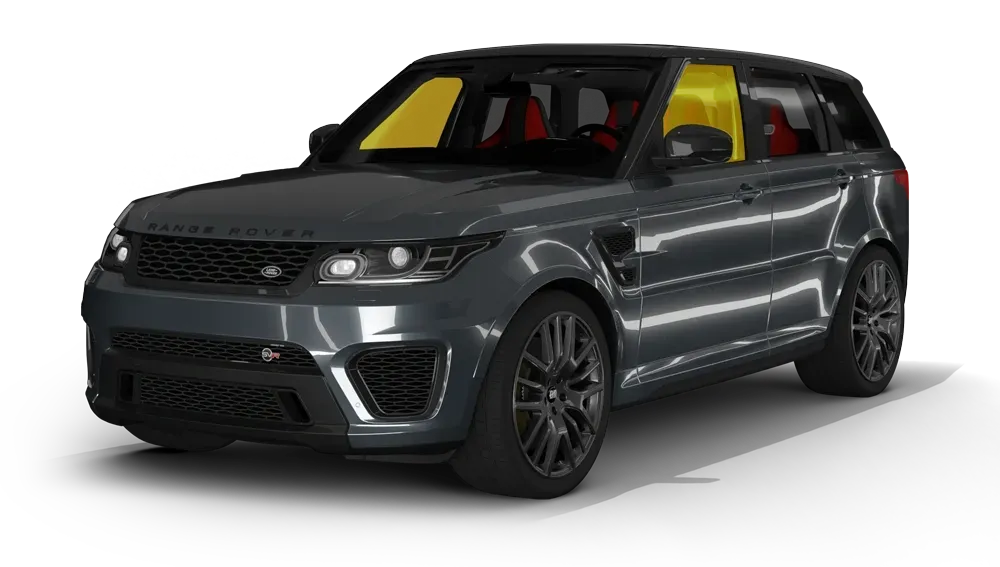
Front Two Windows
Available Film Types:
Carbon X (74% IR Rejection)
Ceramic IR (96% IR Rejection)
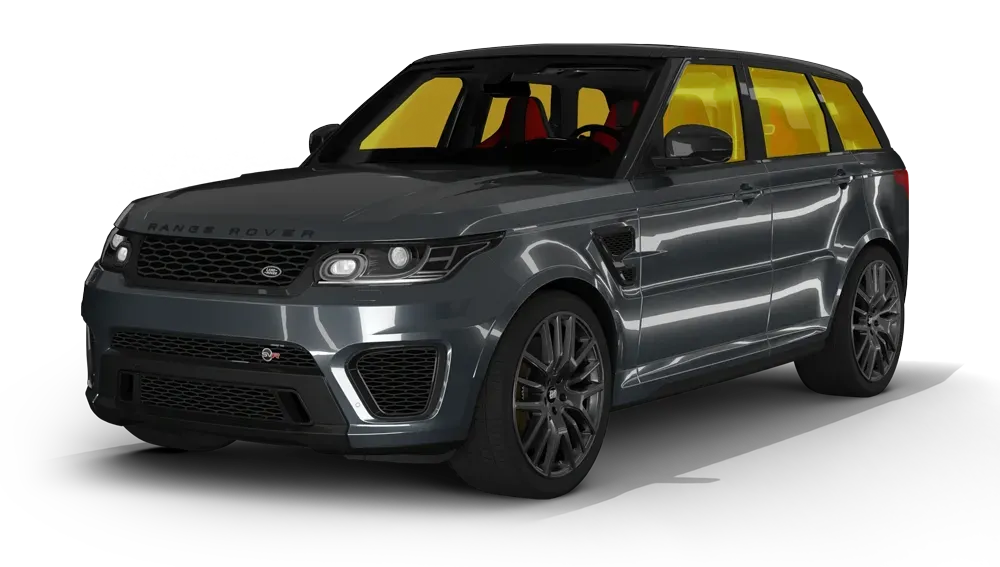
Side Windows and Rear
Available Film Types:
Carbon X (74% IR Rejection)
Ceramic IR (96% IR Rejection)
Also Offering Home and Commercial Tinting
Beyond vehicles, our team also installs residential and commercial window tinting through our sister site. Visit opticoverlay.com to see how the same heat rejection and privacy benefits apply to your home or business windows. Combining automotive tint with a coating or paint protection film appointment is common too, since our team can plan out a full vehicle visit that touches every exterior surface in one trip to the shop.
What Window Tint Actually Does for Your Cabin
Cooler Cabin Temperatures
Infrared rejection keeps the cabin noticeably cooler on hot days, which means less time running the air conditioning at full blast.
UV Protection for Interior and Skin
Tint blocks the majority of UV rays coming through the glass, helping guard both your skin on long drives and your interior trim from sun fading.
Added Privacy
A tinted cabin makes it harder for passersby to see valuables left inside, adding a layer of privacy and security to your parked vehicle.
Reduced Glare
Both film lines cut down glare from the sun and oncoming headlights, which makes a real difference during early morning or evening drives.
What Happens During Installation
Glass Cleaning
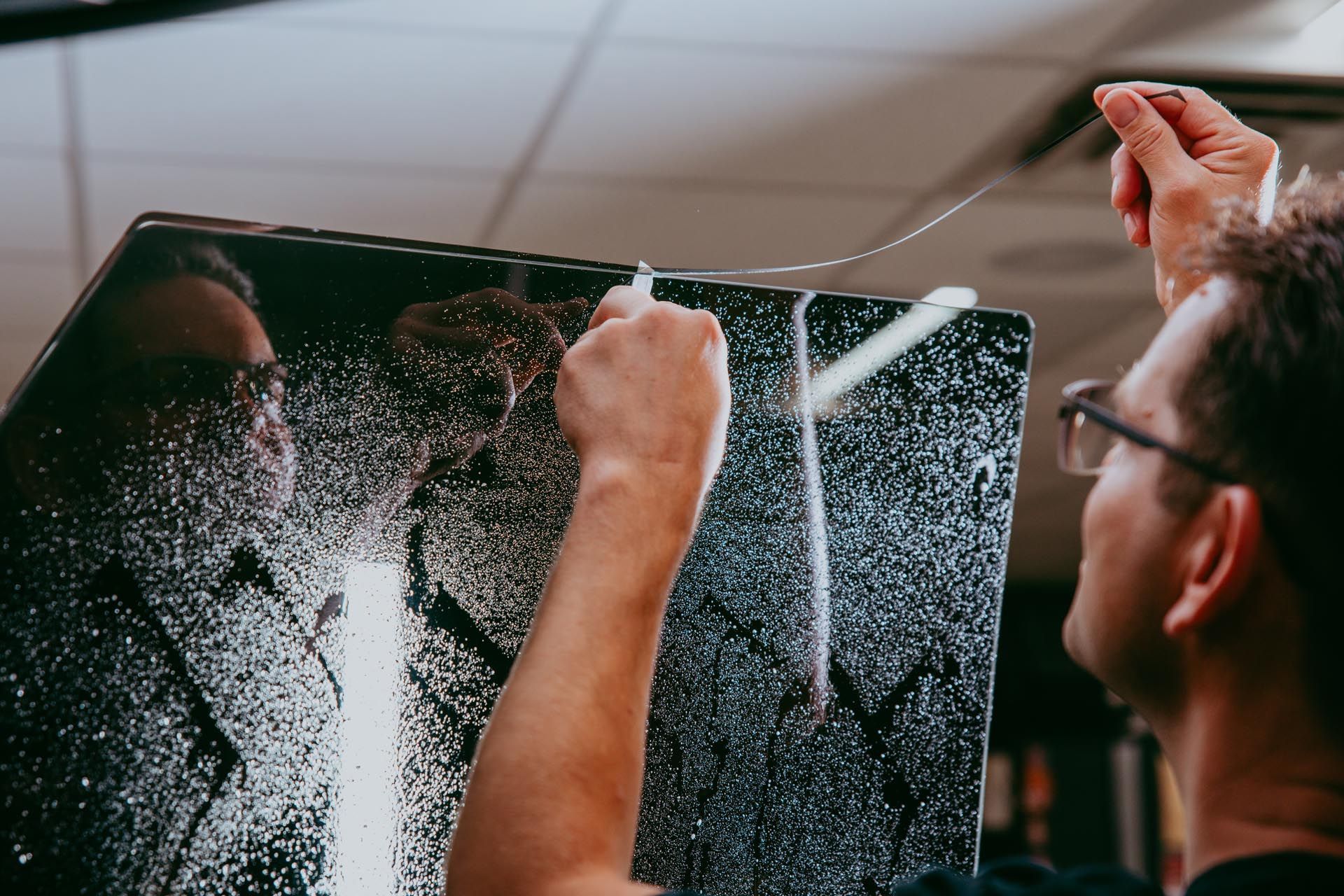
Every window receiving film is deep cleaned first, removing any dust or residue that could trap air bubbles under the tint. This step matters more than most drivers expect, since even a small speck of debris can show as a visible imperfection once the film is set.
Precision Cutting
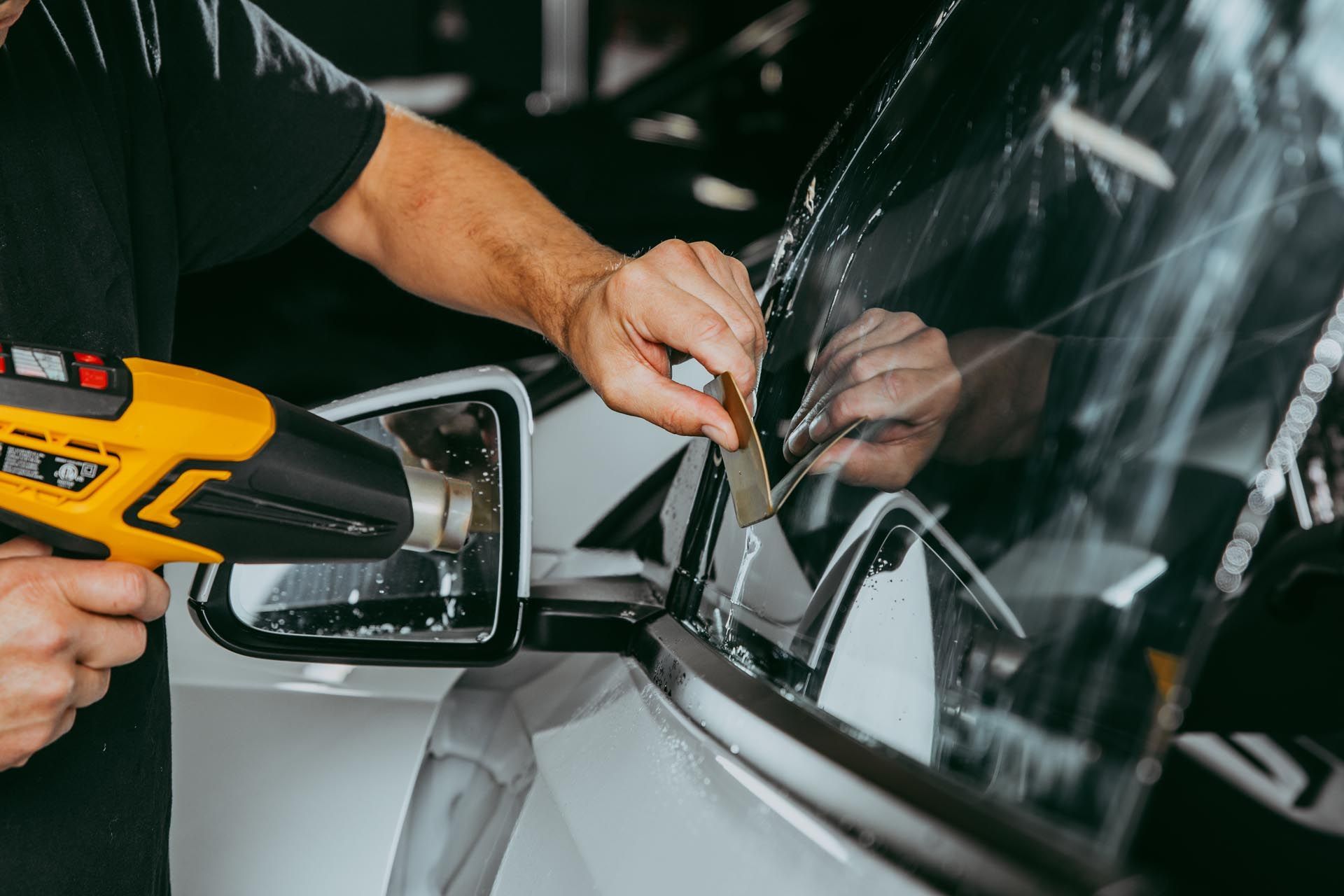
Film is cut to match each window's exact shape using a computerized pattern, so the edges sit tight against the trim. That precision is what keeps the finished look clean along the window frame instead of leaving visible gaps or overhang.
Careful Application
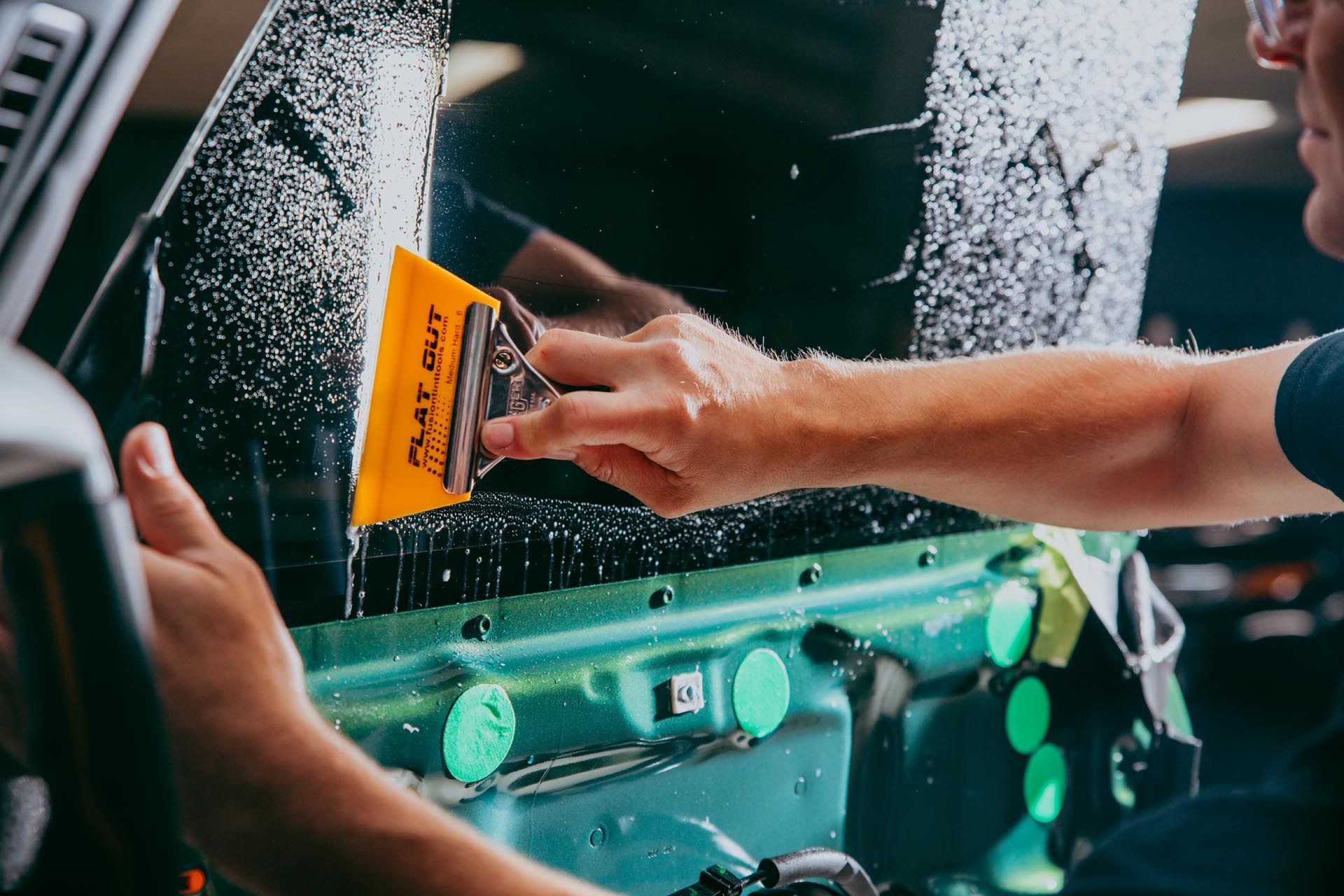
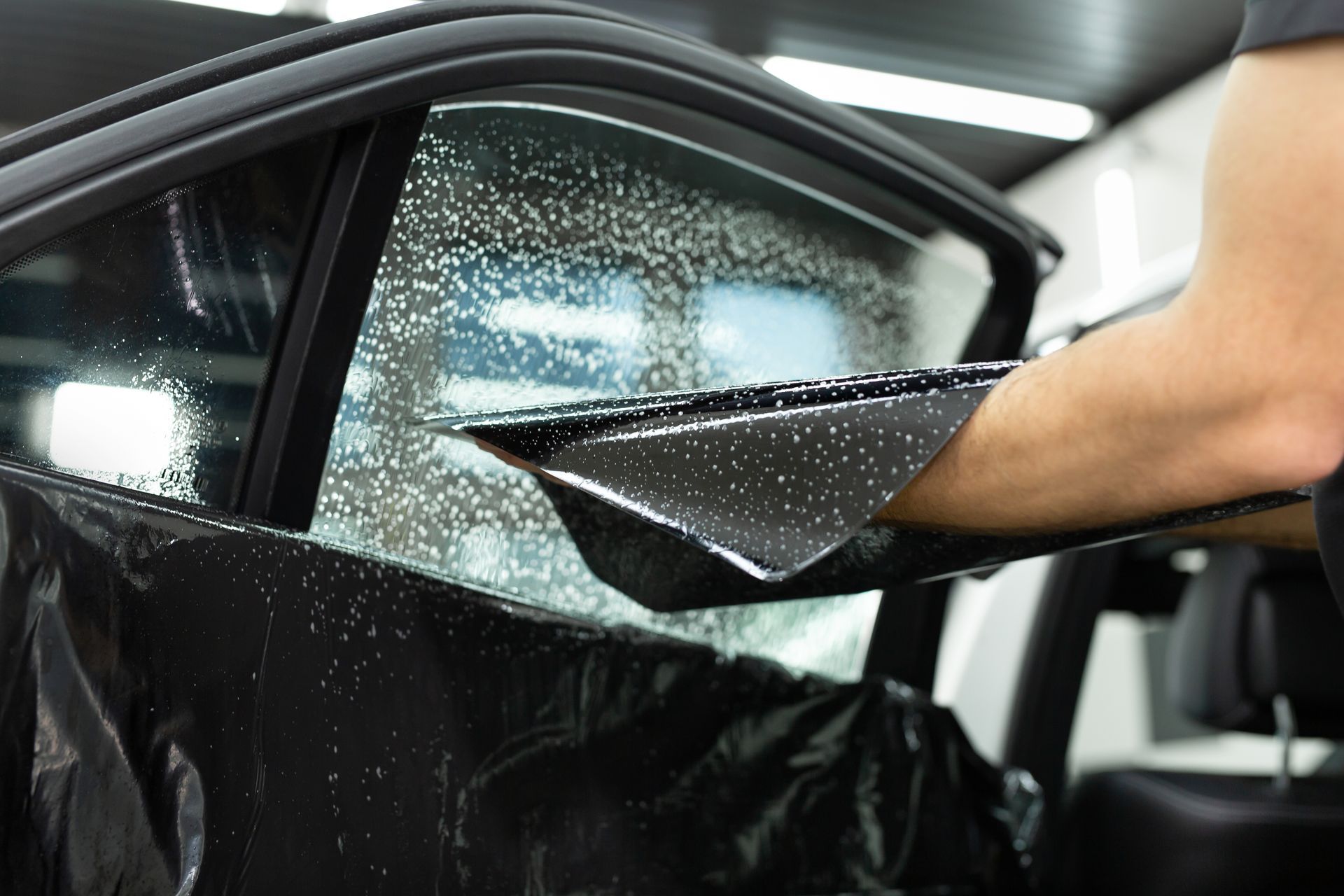
The film is applied with a slip solution and squeegeed into place, pressing out air and moisture as it goes. Our installers work methodically across each window so no bubbles get trapped underneath the finished surface.
Cure Time
Freshly installed tint needs time to fully cure and bond to the glass before the windows are rolled down again. Rushing this step is one of the most common causes of film lifting or bubbling down the road.
Living With Your New Tint
Give It a Few Days
Avoid rolling down freshly tinted windows for several days, giving the adhesive time to fully cure against the glass. Rolling them down too soon can shift the film before it has fully set. If you need to lower a window sooner than that, give our team a call first for guidance.
Clean With Ammonia-Free Products
Standard glass cleaners with ammonia can damage tint film over time. An ammonia-free cleaner keeps the film looking clear for years, and most auto parts stores carry a film-safe option. A microfiber towel also helps avoid the fine scratching that rougher cloths can leave on the film.
Built to Resist Bubbling
Quality film application will not bubble or peel under normal use. Bubbling is typically a sign of poor quality film or a rushed installation, not something that happens with proper film and technique. If you ever notice bubbling on film we installed, bring it back in and we will take a look.
Know Your Local Regulations
Tint darkness rules vary by region, so it is worth confirming your preferred percentage falls within what is permitted before booking. Our team can talk through common percentage choices at your appointment. Choosing a compliant shade upfront saves you from having to address it later.
Frequently Asked Questions
What is the difference between Carbon X and Ceramic IR?
Carbon X offers strong value with 74 percent infrared rejection, while Ceramic IR steps up to 96 percent rejection and is designed to match OEM privacy glass.
Will tint interfere with my phone or garage door opener?
Both of our film lines carry zero signal interference, so your phone, toll transponder, and garage door opener will all continue working normally.
Can I preview how dark my windows will look before booking?
Our tint simulator lets you preview different shade percentages on your vehicle before committing, so there are no surprises once the film is installed.
How long before I can roll my windows down after installation?
We recommend waiting several days after installation before rolling the windows down, giving the film enough time to fully cure against the glass.
Will tint fade or turn purple over time?
Both Carbon X and Ceramic IR are chosen specifically for fade resistance, which is a common weak point in lower quality dyed films sold elsewhere.
Can I choose different shade percentages for different windows?
Many drivers choose a darker shade for the rear windows and a lighter, road legal shade up front. Our simulator lets you preview that exact combination before booking.
Does tint help protect my interior from fading?
Reduced UV exposure through tinted glass helps slow the fading and cracking that dashboards, seats, and trim panels experience after years of sun exposure.
